
Loading...
Loading...
Islamic Republic of Mauritania
Al-Jumhūriyyah al-Islāmiyyah al-Mūrītāniyyah
A vast Atlantic–Saharan nation emerging as one of Africa's most strategic frontiers for energy, minerals, and renewable power.
Positioned between North Africa and Sub-Saharan Africa, Mauritania combines a vast territory, abundant natural resources, and growing political stability. With major gas projects now entering production and large mineral reserves under development, Mauritania is rapidly gaining recognition as a future energy and resource hub linking Africa, Europe, and global markets.
Mauritania's strategic location along the Atlantic trade corridor, combined with its vast natural resources and expanding infrastructure, is positioning the country as one of West Africa's most promising emerging economies.
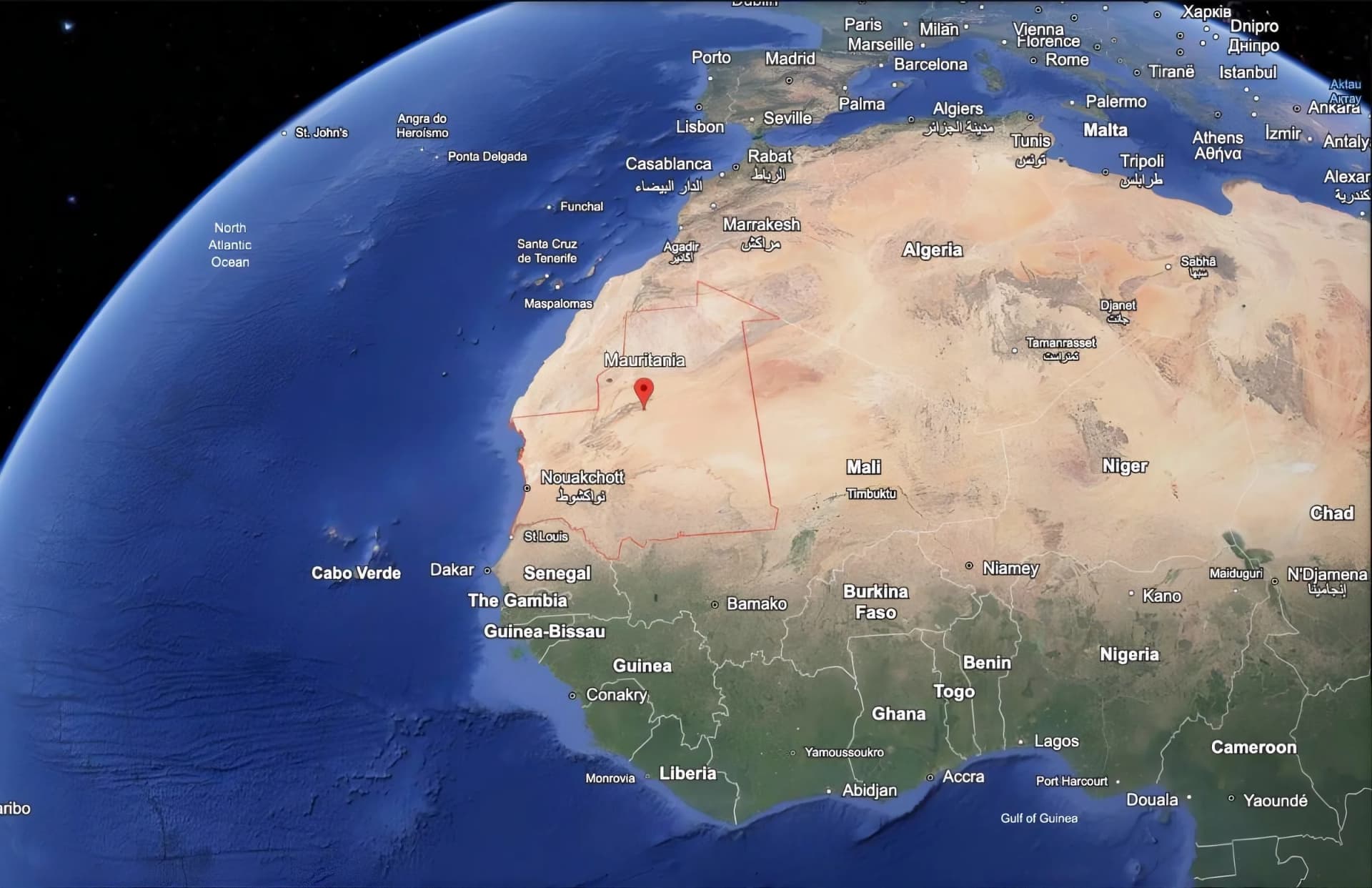
Mauritania has four distinct ecological zones:
Northern two-thirds. <100 mm annual rainfall. Extreme diurnal temps (0°C night to 49°C+ day).
Transitional belt. 100-300 mm annual rainfall. Brush and savanna vegetation.
Southern belt. 500-600 mm annual rainfall. Only area with traces of tropical forest.
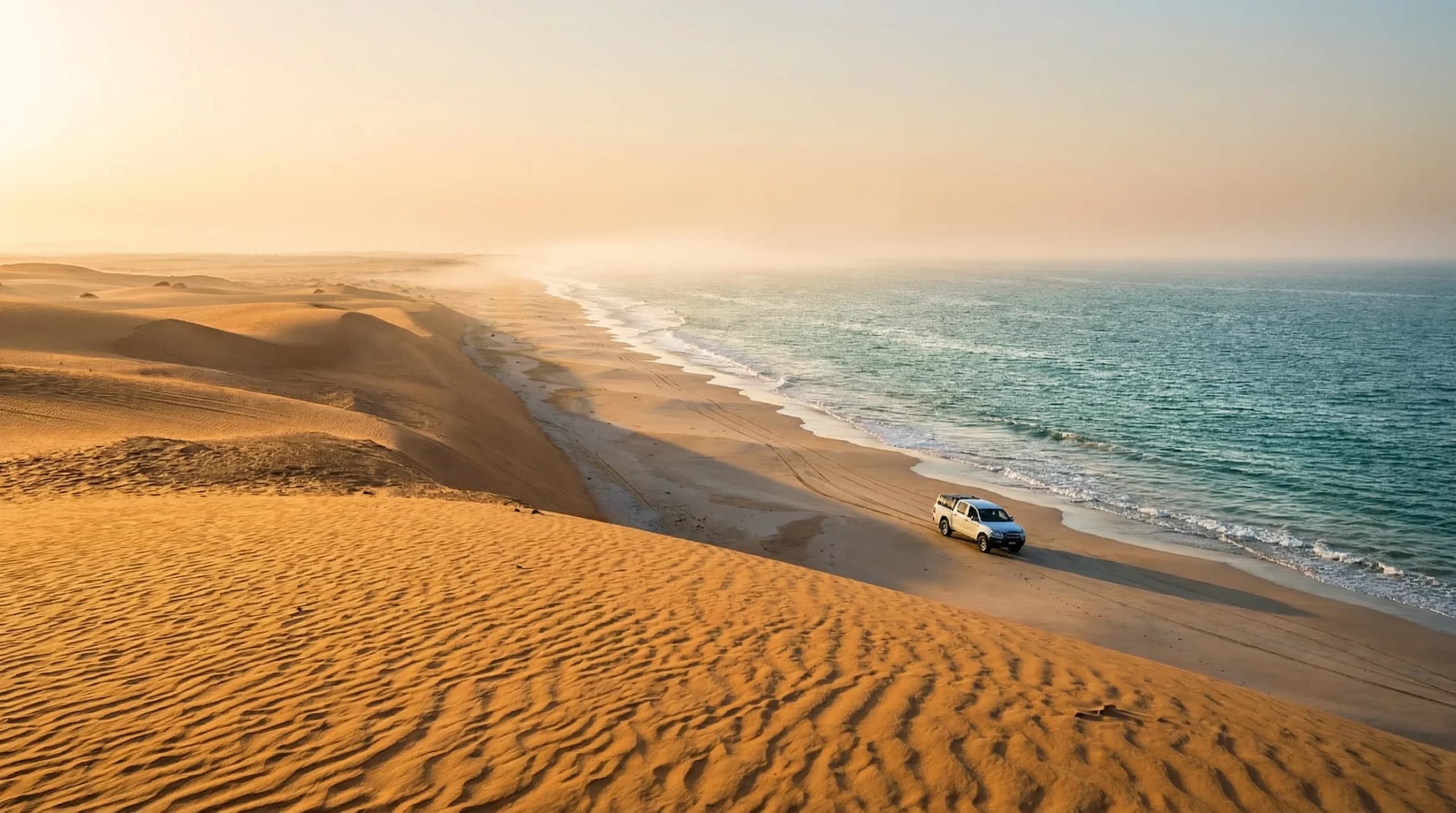
Atlantic strip. Moderate climate influenced by oceanic trade winds.
Nearly 60% of Mauritania's population is under 25, creating one of the strongest demographic growth potentials in the Sahel region.
The Mauritanian economy is historically driven by mining, fisheries, and agriculture, but is now entering a new phase of growth driven by natural gas production and renewable energy investment.
Mining is the backbone of the Mauritanian economy. Resources include iron ore, gold, copper, uranium, gypsum, and emerging critical minerals. Mauritania is one of Africa's largest iron ore exporters.
Mauritania is entering the global LNG market through large offshore gas developments.
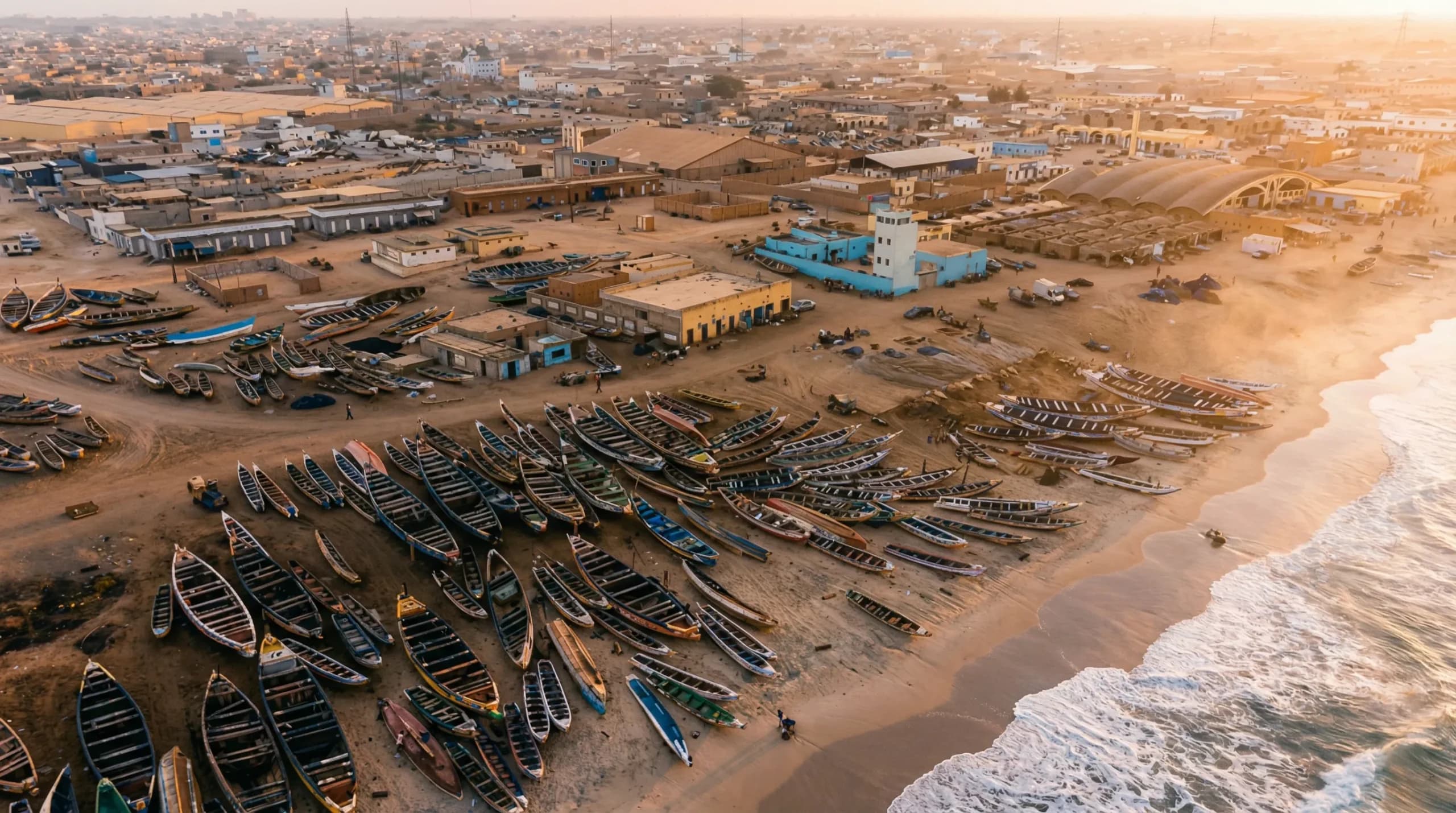
Mauritania possesses one of the richest fishing zones in the Atlantic. The 754 km coastline forms one of the most productive marine ecosystems in the region.
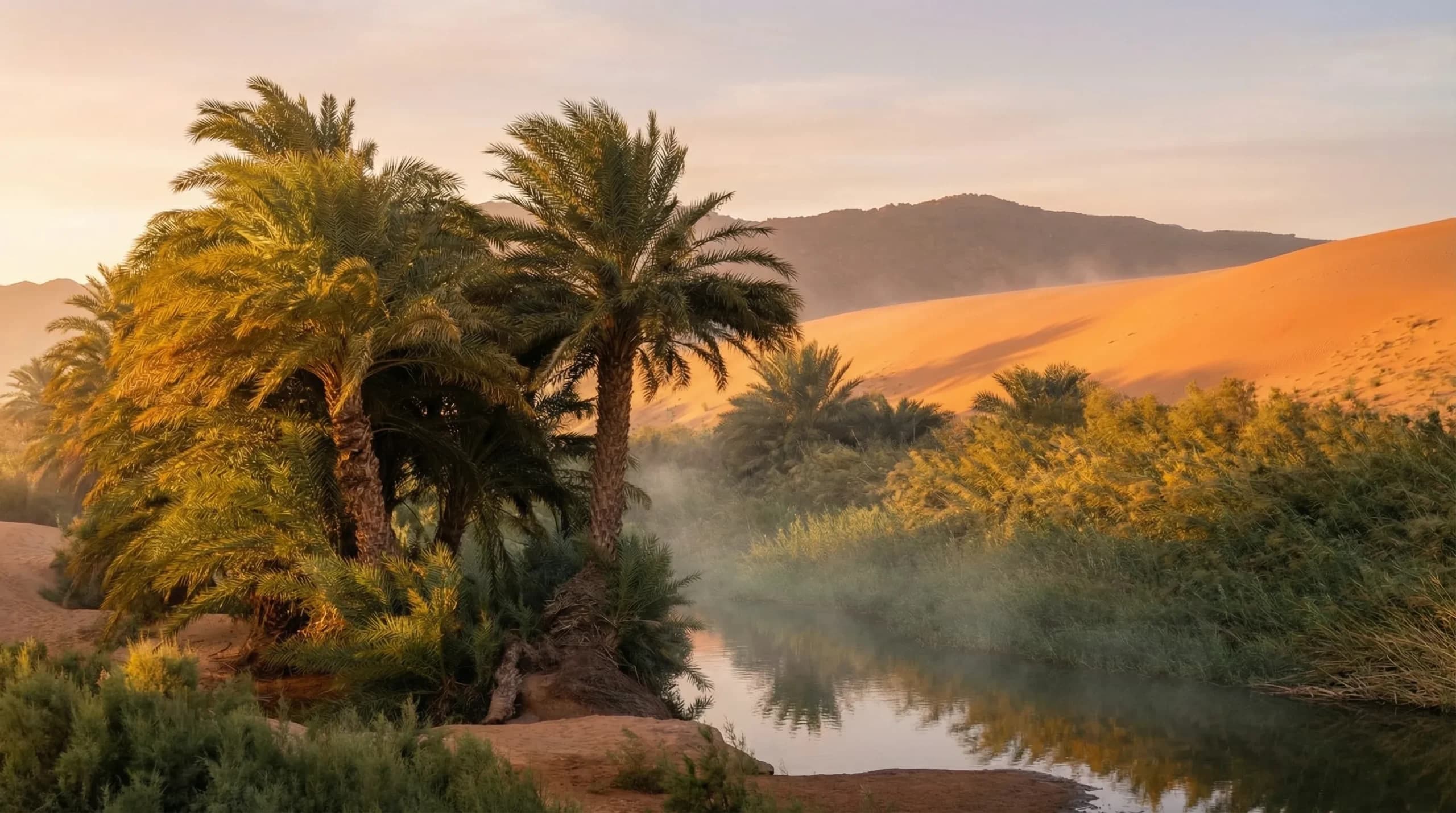
Despite desert climate, Mauritania maintains a growing agricultural sector with key crops including dates, millet, sorghum, and rice.
Mauritania possesses some of the best renewable energy conditions in the world.
Among the highest solar irradiation levels globally.
Consistent Atlantic trade winds ideal for utility-scale wind farms.
Major international projects underway producing green hydrogen & ammonia for European markets.
Since the peaceful democratic transition of 2019, Mauritania has maintained relative political stability in a region affected by instability. President Mohamed Ould Cheikh El Ghazouani, re-elected in 2024, has emphasized:
These reforms aim to position Mauritania as a stable investment destination within the Sahel and West Africa.
Over the coming decade, Mauritania is expected to experience structural economic transformation driven by:
These dynamics are positioning Mauritania as a strategic gateway between the Sahara, West Africa, and global markets.