Loading...
Loading...
— Structuring Mauritania's maritime economic frontier.
Mauritania's Exclusive Economic Zone is one of the most productive marine environments on the Atlantic coast of Africa — yielding over $600M in fisheries revenue annually, anchoring a growing offshore services industry, and sitting at the nexus of West Africa's most significant port development corridor. The Blue Economy Program is structuring the framework for those who want to be inside it.
Mauritania's 754km Atlantic coastline and 234,000 km² of Exclusive Economic Zone represent one of the most underutilized maritime economic assets in West Africa. The Canary Current brings cold, nutrient-rich upwelling waters that support some of the densest fish biomass on earth — making the EEZ among the most productive fishing zones globally, currently exploited largely by international industrial fleets under license agreements.
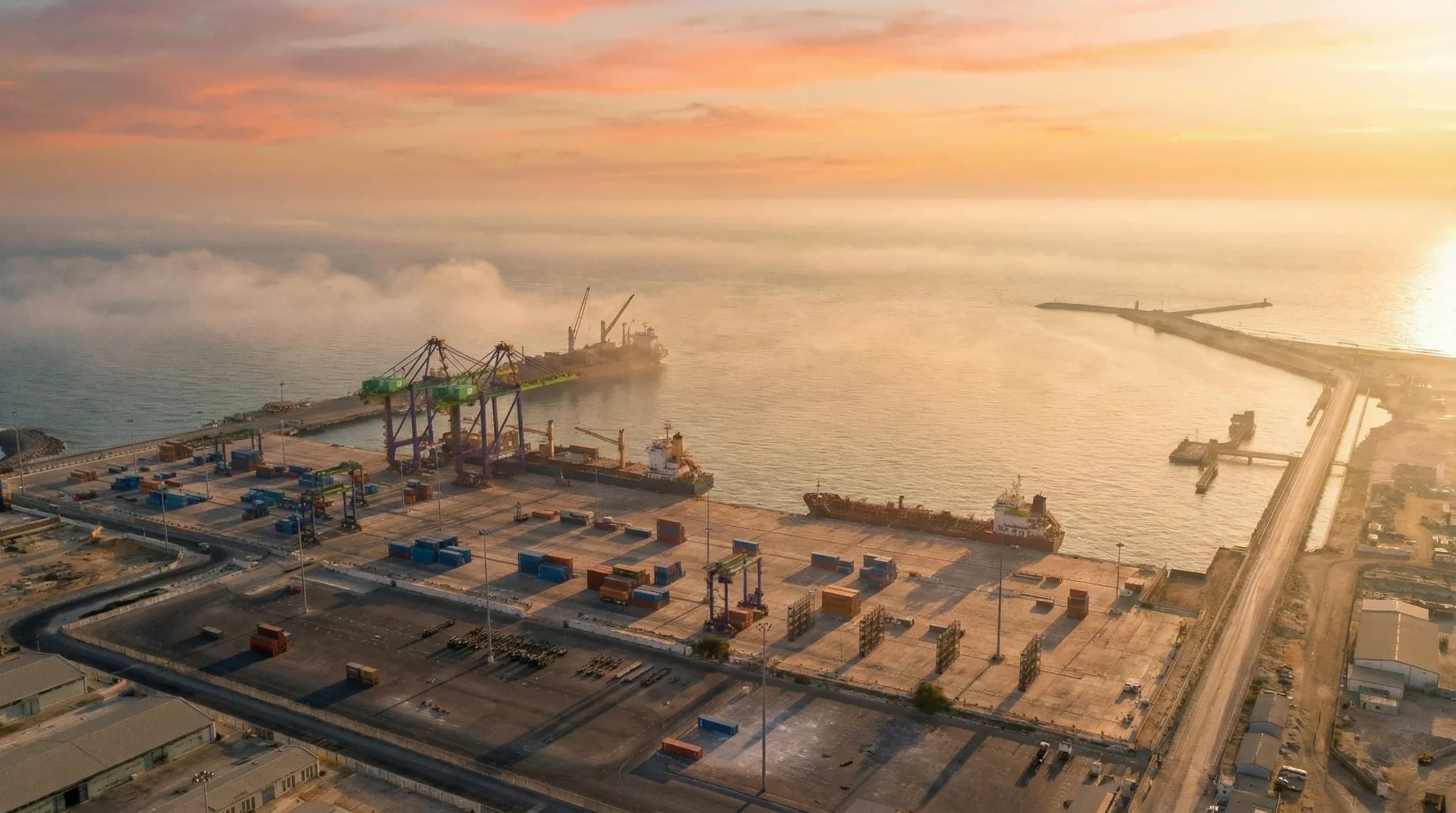
Port Nouadhibou is West Africa's largest fishing port by volume — and is undergoing a strategic transformation into a multi-purpose regional logistics hub, supported by $1.4B in planned infrastructure investment through 2030. The offshore energy sector's growth creates parallel demand for marine services, vessel support, and offshore logistics that the port is being positioned to serve.
The Blue Economy Program is the structured framework through which Mauritania Gateway brings coherence to this landscape — connecting fisheries operators, port developers, logistics companies, offshore service providers, and maritime energy actors within a single, validated ecosystem.
The strategic insight: Mauritania's maritime economy is simultaneously a mature industry being reformed (fisheries) and a nascent sector being built (offshore services, port logistics, maritime energy). Both transitions create distinct, time-sensitive commercial opportunities for those inside the ecosystem.
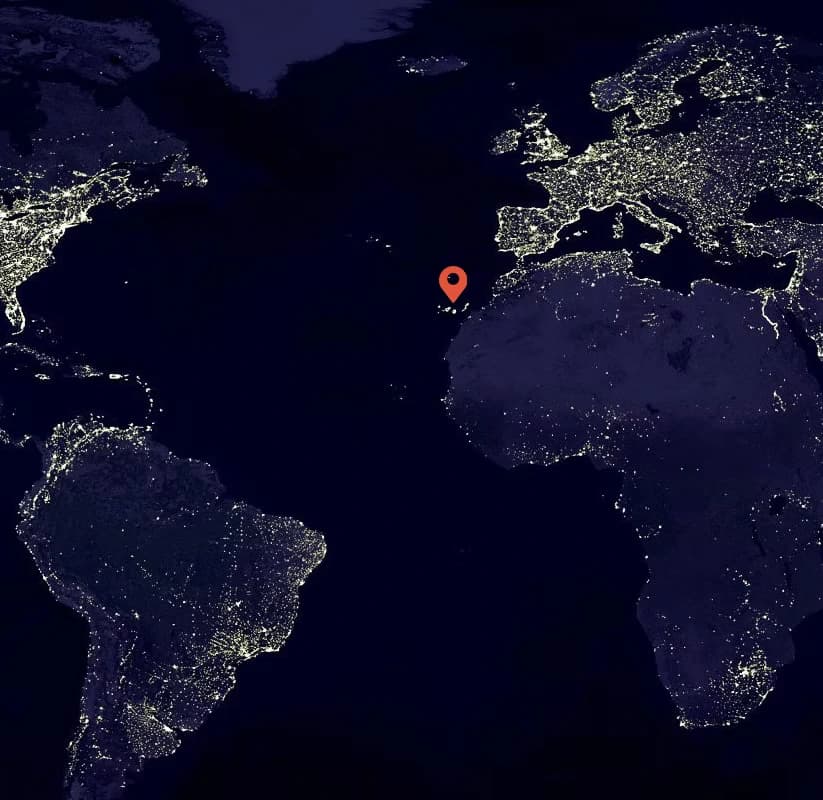
We operate across 14 countries, including Mauritania, Senegal, Morocco, Gambia, Cape Verde, Guinea-Bissau, Ghana, Ivory Coast, and Guinea-Conakry.
Discover Servilog
The Blue Economy Program is structured across five key areas of engagement.
Reform · Value-add · Export
Nouadhibou · Nouakchott · Corridors
Shipping · Cold chain · Supply
Energy support · Marine tech
GTA logistics · Offshore base
From high-tech newbuilds to integral ship repairs and offshore services, Zamakona Yards provides world-class naval engineering. With strategic locations in Bilbao, Pasaia, and the Canary Islands, we deliver comprehensive solutions for the global maritime industry.
Discover Our GroupMauritania's fisheries sector is at a structural reform inflection. For decades, the dominant model has been licensing international industrial fleets to fish the EEZ and export raw catch — capturing only a fraction of the potential value. The government's Blue Economy strategy explicitly prioritizes domestic processing, value addition, and local fleet development. This reform agenda is creating a defined commercial transition opportunity: the gap between what is currently produced and what could be processed in-country represents $280M+ in industrial investment potential.
Canning, freezing, fishmeal, fish oil — significant in-country value capture opportunity
Vessel financing, cold storage, and port services for Mauritanian operators
Nascent sector with Atlantic and inland potential — early-stage but supported by government strategy
EU, Chinese, and Russian bilateral agreements up for renegotiation — ecosystem members receive advance tracking
Licensing round timelines, in-country processing requirement thresholds, local fleet financing programs, and cold chain development procurement — updated in the Weekly Sector Bulletin.
Join Ecosystem TrackClick on a company logo to discover its role in shaping Mauritania's blue economy landscape.
Maritime logistics, customs, and operational support powered by 9 years of MSC expertise. Your strategic partner for operations in Mauritania.
Discover Faci-lityMauritania's maritime geography is its strategic asset. The Canary Current creates world-class fish biomass. The deep-water Atlantic shelf supports both offshore energy and major port development. The 754km coastline is at the centre of West Africa's most significant maritime infrastructure development program.
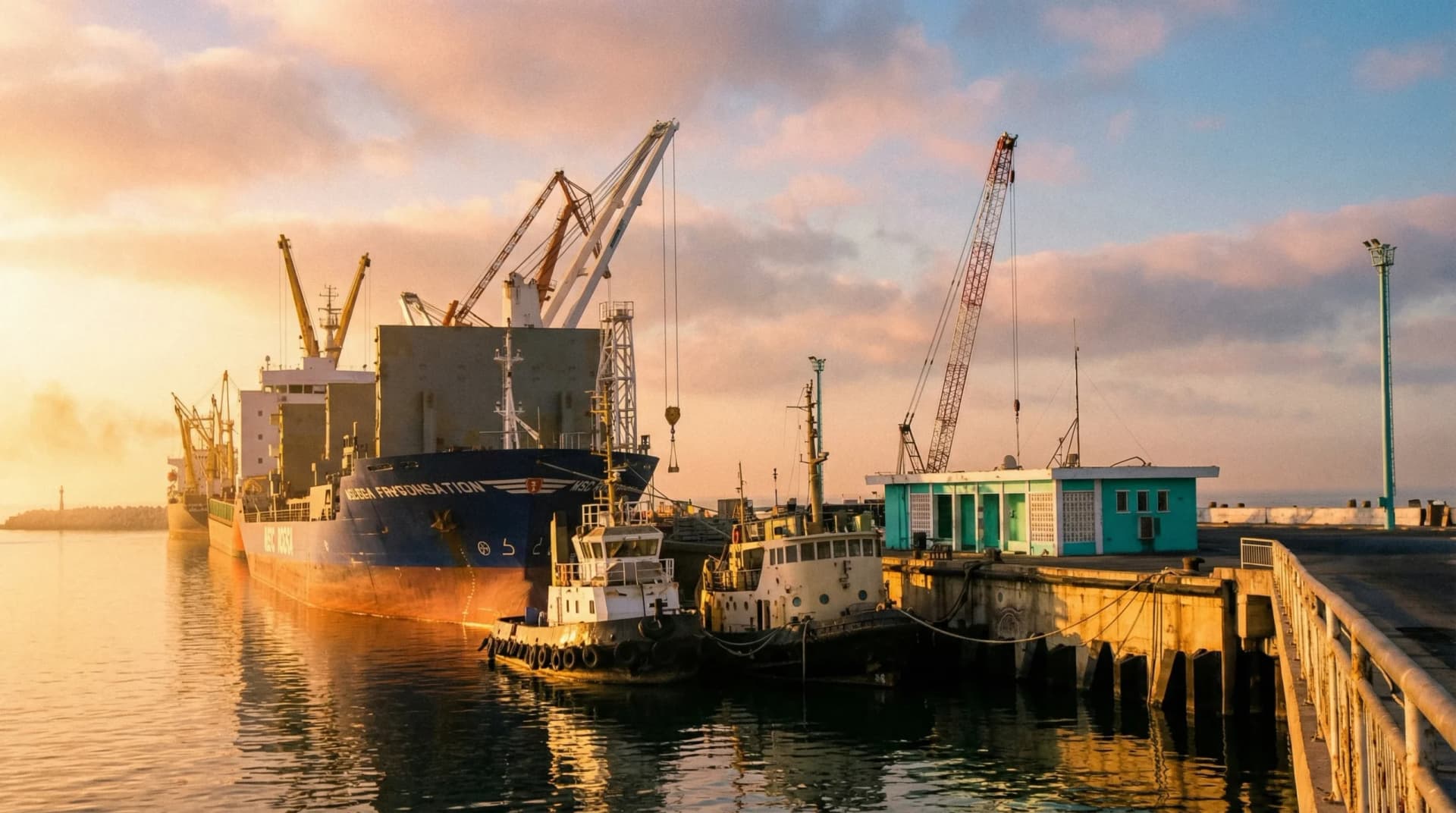
Mauritania's sovereign maritime territory extends 200 nautical miles from the coastline, covering one of the Atlantic's most productive fishing grounds, deepwater oil and gas resources, and prospective offshore renewable energy zones.
From the Moroccan border at Cap Blanc to the Senegalese border at the Senegal River — a continuous coastline with two major ports, multiple artisanal fishing communities, and significant undeveloped maritime infrastructure potential.
The continental shelf drops to over 3,500m depth — supporting both deepwater energy exploration and the cold water upwelling that creates exceptional fishing conditions in the shallower inshore zones.
Port Nouadhibou (fishing, minerals, offshore logistics) and Port de Nouakchott (PAN, general cargo, energy sector support) — both undergoing significant capacity expansion programs through 2028.
The port development program is the single largest maritime infrastructure investment in Mauritania's history — transforming Nouadhibou from a fishing and mineral port into a regional multi-purpose hub, and Nouakchott's port into an energy-capable logistics gateway. Both transformations create distinct commercial opportunities across construction, operations, and services.
West Africa's largest fishing port by volume. Multi-purpose expansion underway to serve mineral exports, offshore energy logistics, container transshipment, and Free Zone industrial operations. The anchor asset of Mauritania's maritime economy.
The capital's gateway port, handling general cargo, energy sector construction materials, and growing container volumes. Expansion program focused on berth capacity, quay crane provision, and offshore supply base infrastructure for GTA operations.
A sovereign free zone offering fiscal incentives, flexible concession terms, and direct port access for maritime industrial operations. Ideal for fish processing, offshore equipment staging, and marine logistics operators establishing regional presence.
A dedicated offshore energy supply base to serve GTA Phase 2 construction and operations, and Mauritania's broader offshore energy sector. Integrated with port expansion at Nouadhibou. Operator concession tender expected in 2026.
The Blue Economy Program structures intelligence and access across six commercial domains — each representing a distinct opportunity for different company profiles and capital types. Ecosystem membership gives you advance intelligence on which opportunities are activating, who the counterparts are, and what the competitive landscape looks like before it becomes public.
Transform Mauritania's raw catch export model into an in-country processing industry — capturing dramatically higher margins.
Long-term operational concessions for berths, terminals, free zone facilities, and specialized logistics infrastructure.
Vessel services, bunkering, provisioning, and cold chain logistics for the growing maritime fleet and offshore sector.
The full suite of marine support services required by the offshore energy sector — currently almost entirely imported.
Early-stage but government-backed: aquaculture development leveraging Mauritania's exceptional marine environment and Atlantic water quality.
As Mauritania's maritime sector formalizes, significant demand for specialized maritime finance, insurance, and risk products is emerging.
The Blue Economy Program is in its development phase — which means the founding framework is being established now. Early engagement shapes the program's priorities, membership composition, and the intelligence architecture that will serve the sector for years.
The Blue Economy Program is actively conducting strategic conversations with sector actors to shape its structure, priorities, and membership framework. This is the moment to influence the program's design — not join a finished architecture.
The first Phase of Nouadhibou's $780M expansion program enters active procurement for engineering and construction contracts. Ecosystem members receive advance intelligence on tender structure, local content requirements, and qualification timelines.
Mauritania's bilateral fishing agreements — with the EU, China, Russia, and others — are under active renegotiation. New in-country processing requirements and local content clauses are expected to reshape the commercial landscape for processors and logistics operators.
The inaugural sector convening for validated Blue Economy Program members — covering port development intelligence, fisheries reform outlook, offshore services landscape, and the maritime-energy nexus. Closed to validated members only.
The Ministry of Maritime Affairs and Port Authority are expected to launch the concession tender for the new offshore energy supply base at Nouadhibou. The Blue Economy Program tracks pre-tender qualification requirements in advance of publication.
A curated inbound mission bringing European fisheries, port, and maritime logistics operators into structured engagement with Mauritanian counterparts and authorities — designed around specific commercial objectives for each participant.
The Blue Economy Program is in its development phase — which means early engagement participants don't just join a framework, they help define it. Strategic conversations initiated now influence the program's intelligence priorities, membership composition, and sector focus before the architecture is set.
Request Program InformationCompanies engaging now participate in the program's foundational conversations — directly influencing the intelligence priorities, roundtable topics, and membership composition that will define the ecosystem for years.
Confirmed participants receive the Weekly Sector Bulletin maritime coverage, port development intelligence, fisheries licensing updates, and offshore services procurement tracking immediately upon validation.
Blue Economy members benefit from direct intelligence linkage with the Energy Ecosystem — particularly relevant for offshore services, port infrastructure, and the maritime logistics demands of the gas sector.
All member intelligence, program briefings, and Market Notes are accessible exclusively through Gateway's secure access framework. Your strategic intelligence and positioning data remain protected.
Mauritania's Blue Economy is at the start of its structured development — the program architecture is forming now. The companies that engage at this stage define the ecosystem's first layer. Request a conversation to understand where your company fits.